On this page9 sections
What is ADAS, and why does it live on the windshield?
ADAS stands for Advanced Driver Assistance Systems — the umbrella term for lane-keeping assist, automatic emergency braking, adaptive cruise control, lane-departure warning, traffic sign recognition, and (on more modern vehicles) hands-free or semi-autonomous driving. Most of these systems are powered by a small forward-facing camera mounted to the inside of the windshield, just behind the rearview mirror.
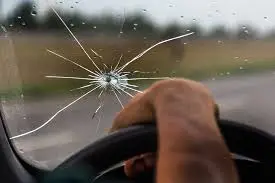
Manufacturers put the camera there because the windshield offers a clean, vibration-damped view of the road. The trade-off is that any disturbance to the glass — replacement, reseating, or even significant impact — can shift the camera's aim. A shift of one or two degrees doesn't sound like much, but at 200 feet down the road it's the difference between "lane center" and "next lane over."
What is ADAS calibration?
ADAS calibration is the process of re-aiming and re-teaching the camera and related sensors so they correctly perceive the world around the vehicle. There are two types:
- Static calibration. Performed in the shop, on a perfectly level floor, with manufacturer-specified targets at exact distances and angles from the vehicle. The scan tool walks the camera through a routine that re-teaches its reference points.
- Dynamic calibration. Performed on the road, at a specified speed range, on properly marked roads. The scan tool monitors the camera while it observes real-world lane lines and signs.
Many vehicles require both. Some only require one. Always done per the OEM procedure.
When is ADAS calibration required?
Per manufacturer service information, recalibration is mandatory after:
- Windshield replacement
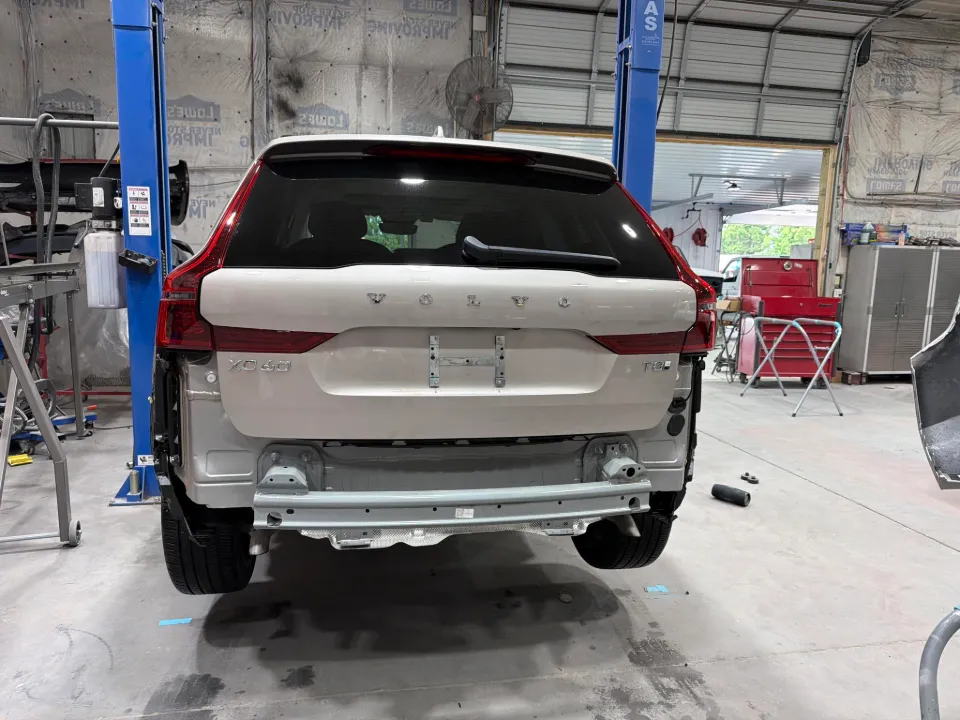
- Front or rear bumper replacement (radar is often mounted in the bumper)
- Wheel alignment that affects ride height or thrust angle
- Suspension repair that changes ride height
- Any collision repair involving the front structure
- Camera or sensor replacement
- Removal and reinstallation of the camera mount
Skipping calibration after these events leaves the safety systems active — but mis-targeted. That's worse than disabled, because the driver still trusts them.
What happens if calibration is skipped?
Real-world consequences we've seen:
- Automatic emergency braking that triggers on parked cars one lane over
- Lane-keeping that drifts into the adjacent lane on straight highway
- Adaptive cruise control that fails to detect a stopped vehicle ahead
- Permanent dash warning lights that disable the systems entirely
In a future accident, an insurer or attorney can — and will — ask whether ADAS was properly calibrated after any prior repair. Documentation matters.
What about Tesla and EV-specific calibration?
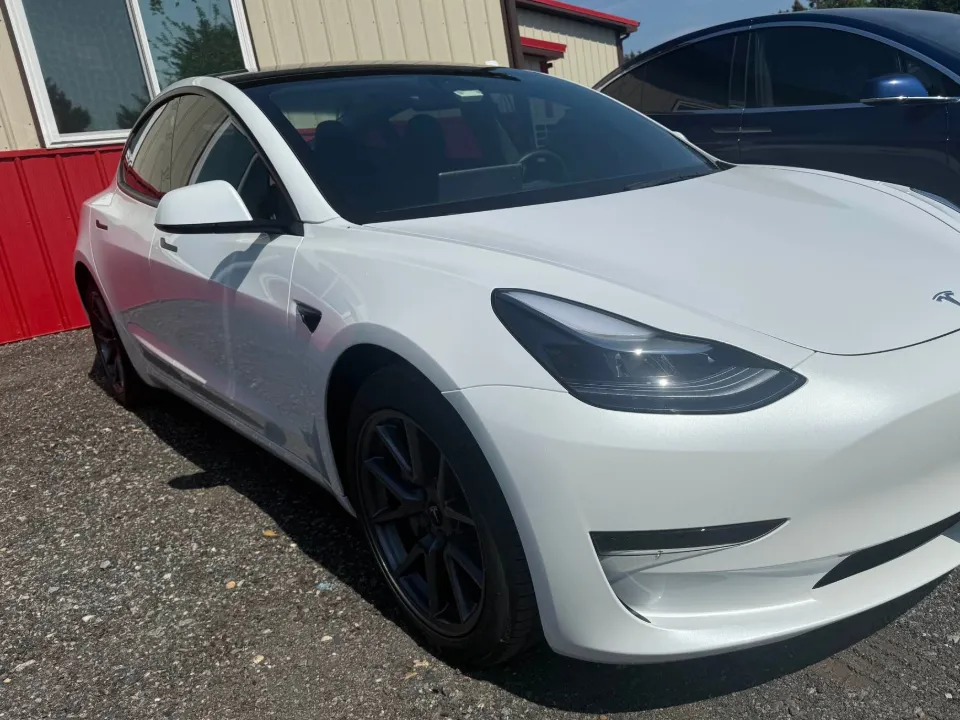
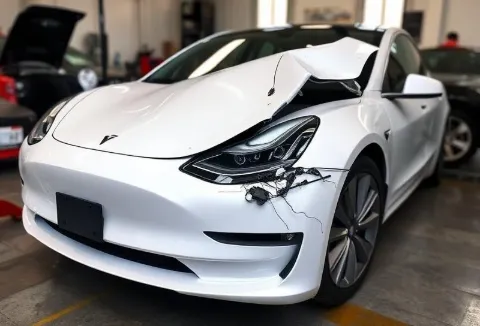
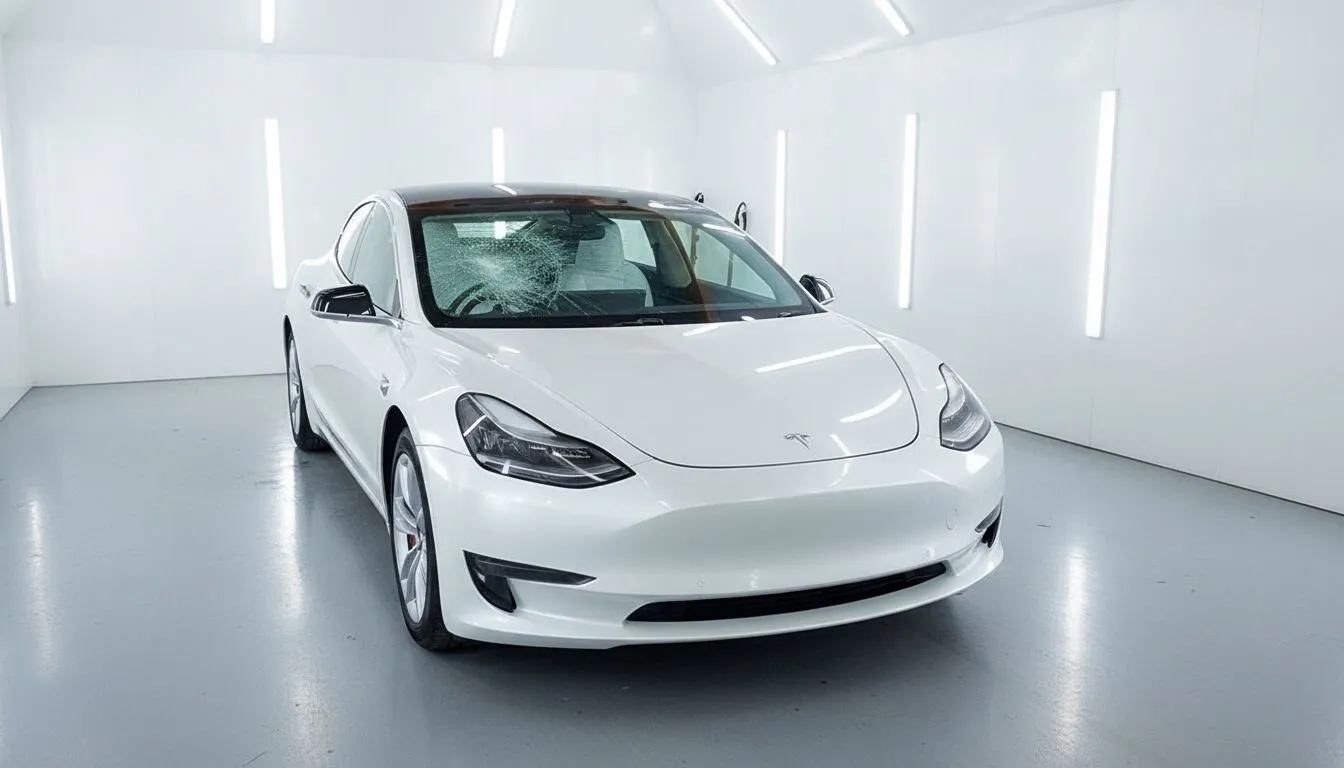
Tesla's Autopilot suite is camera-driven and extremely sensitive to camera aim. Tesla's repair procedures explicitly require recalibration after any structural work, windshield replacement, or sensor disturbance. As a Tesla Approved Body Shop, we follow Tesla's published procedures and use Tesla-approved calibration equipment for every Autopilot recalibration. For more on what Tesla certification means, see our explainer on Tesla Approved Body Shops.
Does the type of glass matter?
Yes. OEM and high-quality OEM-equivalent glass has the optical clarity, frit pattern, and camera bracket placement the manufacturer designed around. Some cheap aftermarket glass has dimensional or optical variation that makes calibration unreliable or impossible. We recommend OEM or OEM-equivalent glass on any vehicle with ADAS. For more on the OEM decision, see our OEM vs. aftermarket parts guide.
How long does it take, and what does it cost?
A typical windshield replacement plus static and dynamic ADAS calibration runs about a half day. Cost varies by vehicle — calibration alone runs roughly $200–$500 on most vehicles and is usually covered by insurance with glass coverage. We document every calibration with a printout from the scan tool, so you have proof the procedure was completed.
Eastern Auto Works does ADAS calibration in-house
We don't sub out calibration. Our calibration bay has the level floor, the lighting, and the OEM-spec targets needed to do static calibrations correctly, and we perform dynamic calibration on local Eastern Shore routes that meet the speed and lane-marking requirements. That means faster turnaround, tighter quality control, and documentation that lives with your repair file.
If your windshield needs replacing or your vehicle has been in a front-end repair, see our auto glass replacement service, or call (443) 521-9655 for a free estimate.