On this page8 sections
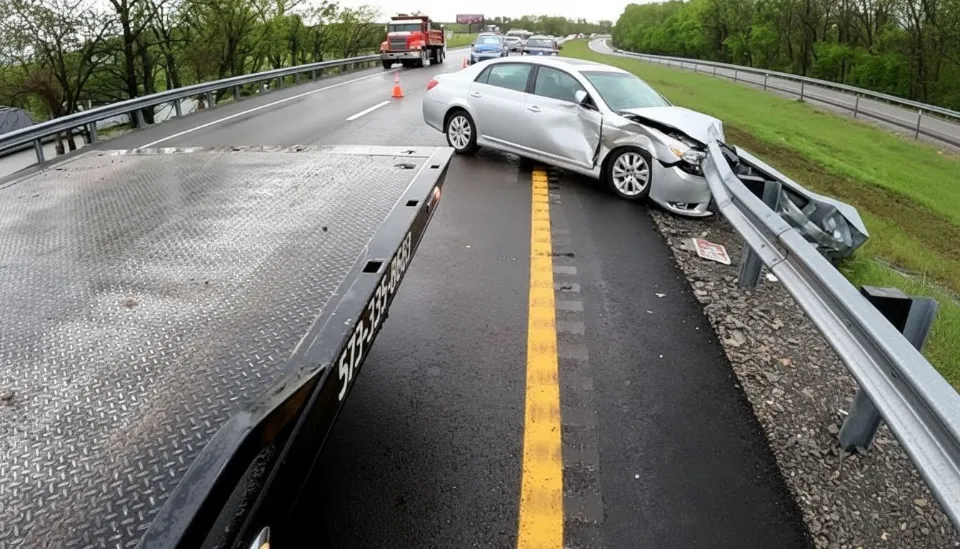
When is a car considered totaled?
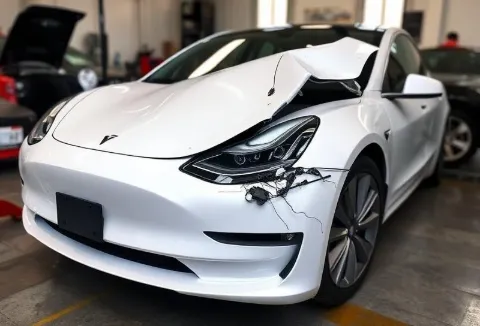
A vehicle is declared a total loss (or "totaled") when the cost to repair it — plus its salvage value — meets or exceeds its actual cash value (ACV). ACV is what your vehicle was worth immediately before the accident, based on year, make, model, mileage, condition, trim, and recent comparable sales in your area.
Maryland follows the Total Loss Formula (TLF): if repair cost + salvage value ≥ ACV, the insurer is generally going to total the car. Many insurers also apply a practical threshold around 70–80% of ACV — if repairs cost more than that, they'd rather write a check than approve the work.
How is actual cash value (ACV) calculated?
Insurers use a combination of valuation tools (CCC, Audatex, Mitchell) plus local market data. ACV considers:
- Year, make, model, trim, and options
- Mileage and overall condition before the accident
- Recent comparable sales within your geographic area
- Service history and any recent improvements (tires, brakes, new battery)
- Title status (clean vs. branded)
ACV is not what you paid for the car, what you still owe on it, or what it would cost to replace it with a new model. That gap is why total loss settlements often feel lower than expected — and why gap insurance exists.
What happens if my car is totaled?
You generally have two options:
- Take the payout. The insurer pays you the ACV (less your deductible), takes the vehicle, and sells it to a salvage auction. You buy a replacement.
- Keep the salvage and repair it. You buy back the vehicle from the insurer for its salvage value. You receive ACV minus salvage minus deductible, and you pay for repairs yourself. Maryland will reissue the title as salvage until the vehicle passes a state inspection, at which point it becomes rebuilt.
Should I challenge the total loss decision?
Sometimes, yes. Adjusters work from databases that can underweight your car's actual condition. You have the right to push back with:
- Independent comparable sales (recent local listings of similar vehicles)
- Receipts for recent maintenance (tires, brakes, timing belt, suspension)
- Service history showing the vehicle was well maintained
- Dealer appraisals or written offers
- Photos documenting pre-accident condition
If you can't agree on value, most policies include an appraisal clause: each side hires an appraiser, and a neutral umpire breaks any tie. It's the fastest path around a stubborn adjuster.
What if I want to repair the car anyway?
Totally legitimate. People keep totaled cars all the time — especially sentimental vehicles, classics, low-mileage models, and modern cars where ACV is depressed by the used market but the vehicle itself is still good. We can:
- Write a realistic written repair estimate so you can compare repair cost to ACV before deciding
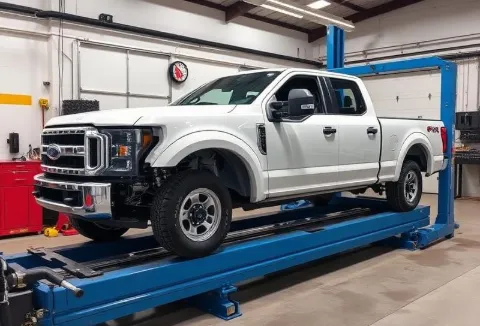
- Repair the vehicle properly — frame straightening, OEM parts, paint, and ADAS calibration
- Help you understand the resale impact of a salvage or rebuilt title (it's real — usually 20–40% off clean-title value)
What if it's a classic or restoration project?
Total loss math is brutal for classic cars because the insurer's database doesn't know what a numbers-matching ’69 Camaro is worth. If you carry an agreed-value policy, ACV is what you and the insurer agreed to up front — no surprises. If you carry standard coverage on a classic, you may want to look at agreed-value policies before your next accident. For restoration questions, see our classic restoration guide.
Talk to a body shop before you accept the payout
A 15-minute conversation with a real body shop can change the math. We see "totaled" cars every month that we could have repaired well within the ACV — and we see borderline repairs that genuinely should be totaled. Either way, you'll know. Bring it by Eastern Auto Works in Cambridge for a written estimate, or call (443) 521-9655.